

Tarlov Cyst
Tarlov cysts (perineural cysts) are sacs filled with cerebrospinal fluid (CSF) that form between nerve root sheaths in the sacral region. They were first described by Dr. Isadore Tarlov in 1938. They are usually asymptomatic and discovered incidentally on MRI scans. However, some cysts can enlarge and cause nerve compression and pain syndromes.
What Is a Tarlov Cyst?
How Do Tarlov Cysts Form?
The exact cause is unknown, but proposed mechanisms include:
- Nerve sheath expansion due to increased CSF pressure
- Congenital nerve sheath weakness
- CSF leakage following trauma
- Arachnoid membrane anomalies
- Inflammation and adhesions
Symptoms
Most Tarlov cysts remain asymptomatic. In symptomatic patients:
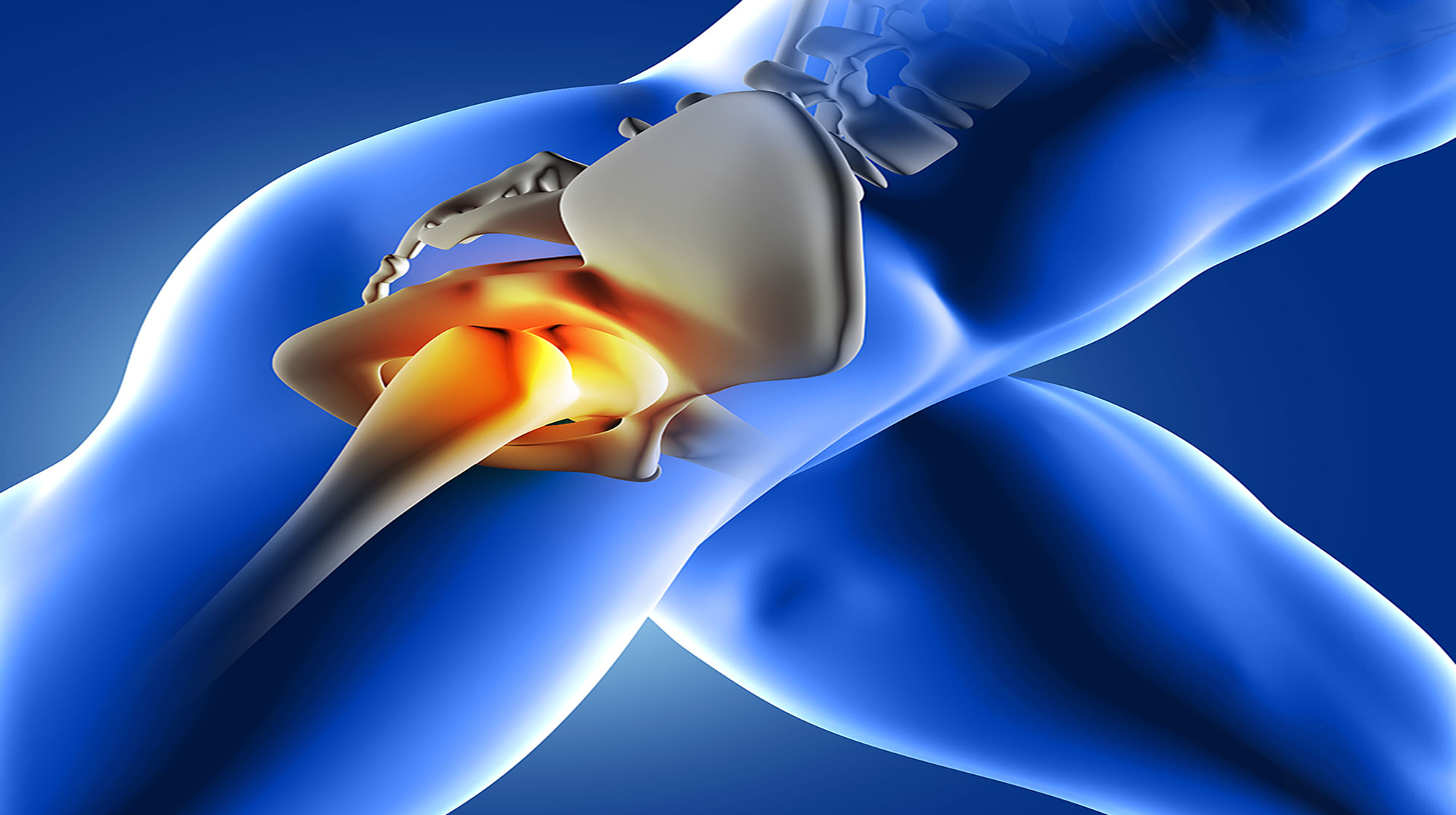
- Sacral and tailbone pain: Worsening with sitting
- Radiating leg pain: Sciatica-like pain
- Perineal pain: Pain in groin and genital area
- Bladder dysfunction: Frequent urination, straining
- Bowel problems: Constipation
- Sexual dysfunction: Painful intercourse
- Leg weakness or numbness: Rare
Risk Factors
- More common in women
- Prolonged sitting
- Pregnancy (increased CSF pressure)
- Trauma history
- Connective tissue diseases (Ehlers-Danlos, Marfan)
Diagnosis
- Sacral MRI: Cyst size, number, and nerve relationship
- CT myelography: CSF connection assessment
- Diagnostic block: Confirming pain source
Treatment
Conservative Treatment
For asymptomatic or mildly symptomatic patients:
- Pain management (medication)
- Activity modification (avoiding prolonged sitting)
- Physical therapy
- Nerve blocks
- TENS (transcutaneous electrical nerve stimulation)
Interventional Treatment
Cyst Aspiration and Fibrin Glue
Draining cyst fluid and injecting adhesive under CT or fluoroscopy guidance. May provide temporary relief; recurrence is common.
Surgical Treatment
For severely symptomatic patients:
- Microsurgical cyst fenestration and plication: Reducing cyst wall size
- Cyst wall resection: Removing cyst wall while preserving nerve
- Muscle flap repair: To prevent CSF leakage
Post-Operative Care
- Hospital stay: 3-5 days
- Bed rest: 1-2 weeks (to prevent CSF leak)
- Return to activities: 4-6 weeks
- Follow-up MRI: At 3-6 months
Prognosis
Pain reduction is achieved in 70-80% of patients with surgical treatment. Complete recovery may not always be possible. CSF leakage is the most common complication.
Why Choose Prof. Dr. Salim Şentürk?
Prof. Dr. Salim Şentürk has microsurgical experience in Tarlov cyst treatment. He applies a personalized treatment approach for each patient.
Learn the Cause of Your Sacral Pain
Schedule an appointment for Tarlov cyst evaluation with MRI.
Frequently Asked Questions
Are Tarlov cysts dangerous?
Most Tarlov cysts are harmless and require no treatment. Large and symptomatic cysts should be treated.
Can the cyst shrink on its own?
Spontaneous shrinkage is rare. They usually remain stable or slowly enlarge.
Is surgery mandatory?
Surgery is considered for patients with severe symptoms unresponsive to conservative treatment.
Other Treatments

Spine Surgery
Surgical treatment of spine and spinal cord diseases

Deformity Surgery
Deformity surgery is the surgical correction of scoliosis, kyphosis, and spinal imbalance. Effective treatment is achieved with modern techniques and implants. Prof. Dr. Salim Şentürk's expertise in complex deformity surgery.

Endoscopic Spine Surgery
Endoscopic spine surgery is a minimally invasive technique performed through an 8 mm incision. Same-day discharge and rapid recovery are possible for lumbar and cervical disc herniations. Prof. Dr. Salim Şentürk's endoscopic surgery expertise.

Peripheral Nerve Surgery
Peripheral nerve surgery treats nerve compressions, injuries, and tumors. Carpal tunnel, cubital tunnel, and nerve tumors are treated surgically. Prof. Dr. Salim Şentürk's nerve surgery expertise.
Reviewed by: Prof. Dr. Salim Şentürk, Neurosurgeon
Last updated: